 The unregulated platforms are offering algorithmic trading services or strategies to investors for automated execution of trades. Such services and strategies are being marketed with “claims” of high returns on investment, Sebi said in a circular.
Sebi comes out with guidelines for stock brokers providing algorithmic trading services
The unregulated platforms are offering algorithmic trading services or strategies to investors for automated execution of trades. Such services and strategies are being marketed with “claims” of high returns on investment, Sebi said in a circular.
 Both BSE midcap and BSE smallcap indices, which gained 1.4 percent, outperformed the benchmarks this week

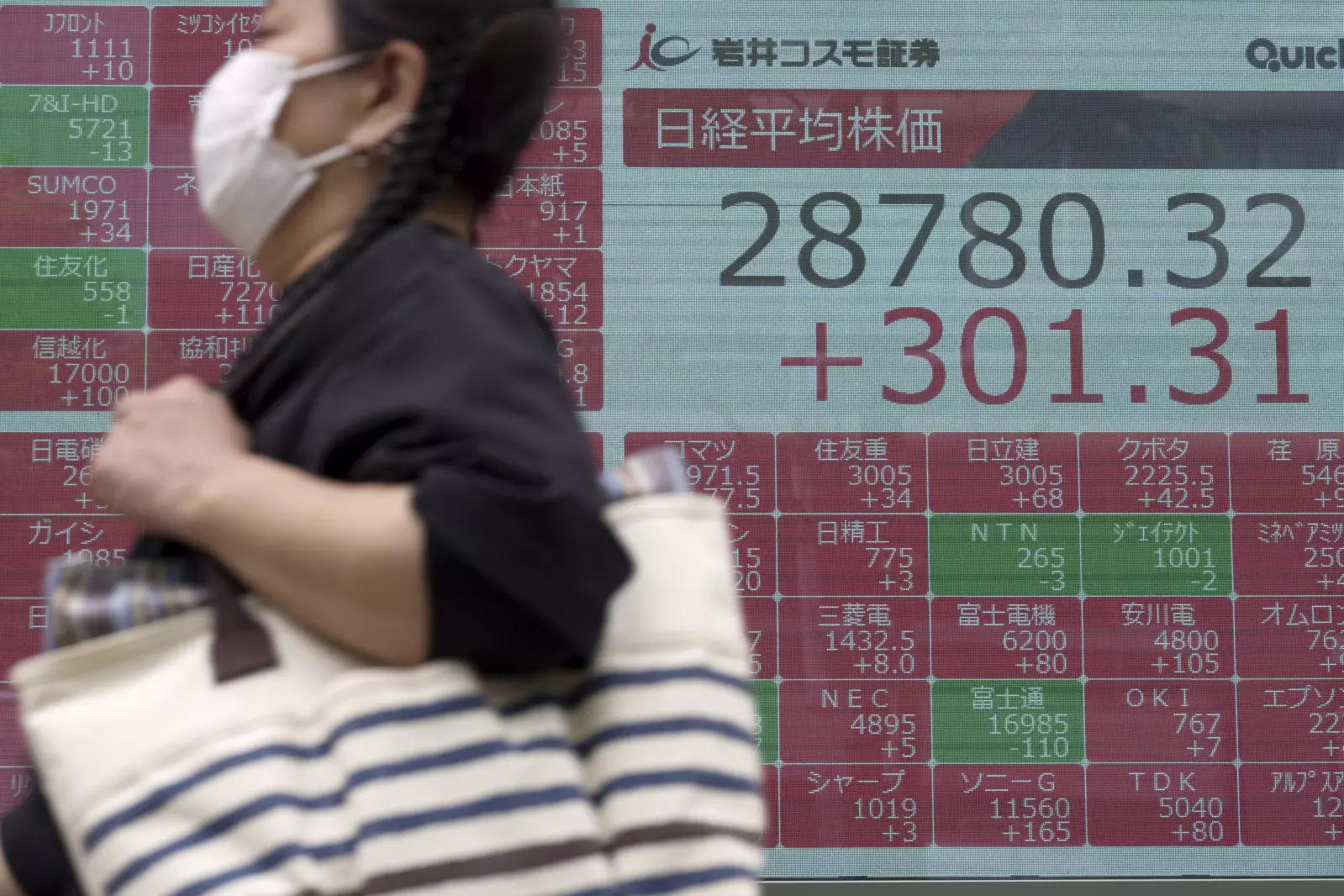


 Realty, PSU banks and auto were the only sectors that buck the downward trend on the Nifty, while IT, pharma, financials and metals were the biggest drags